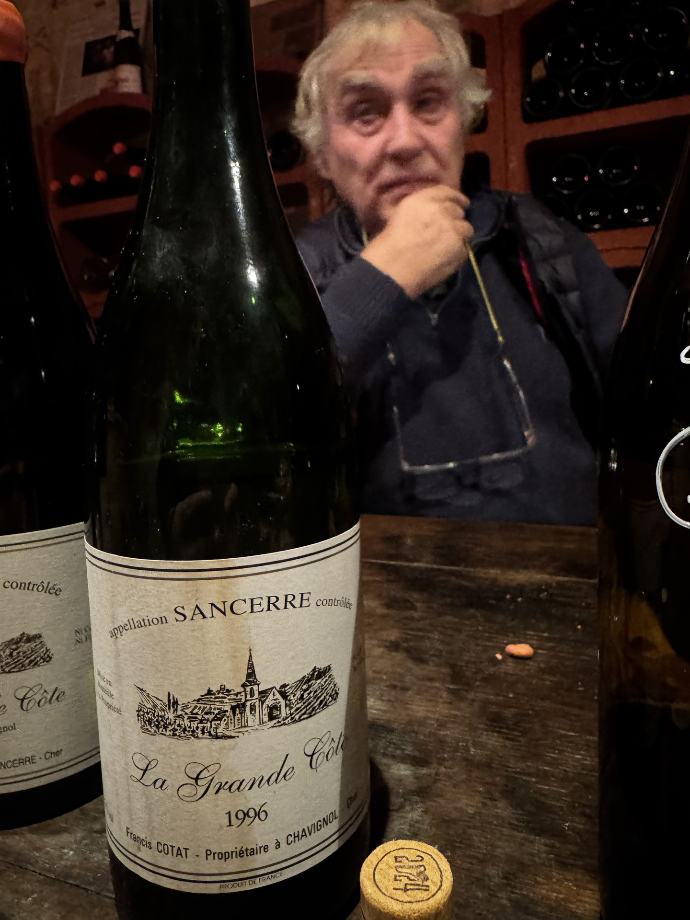
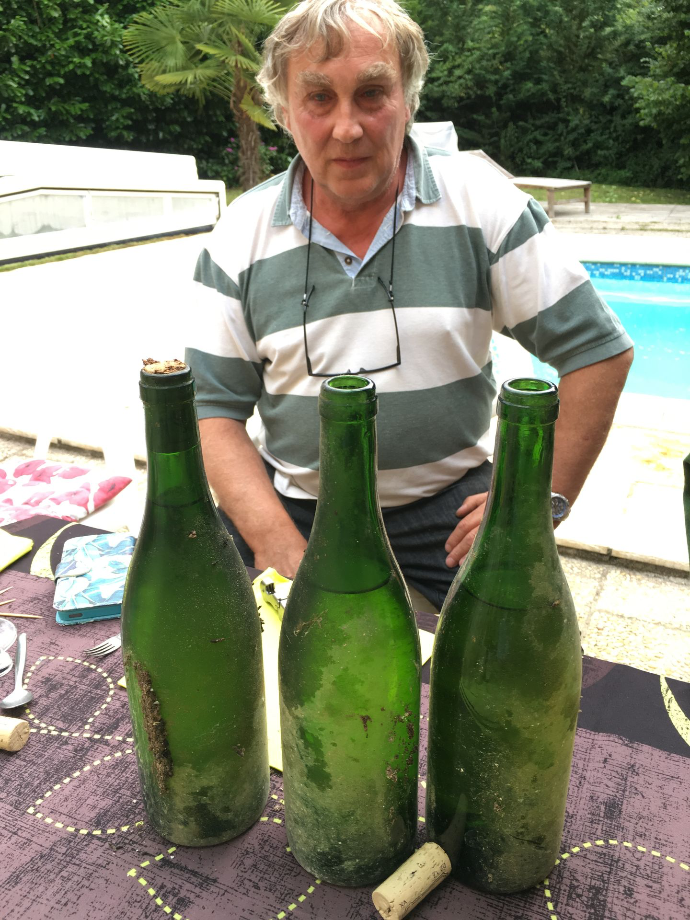
Pascal Cotat
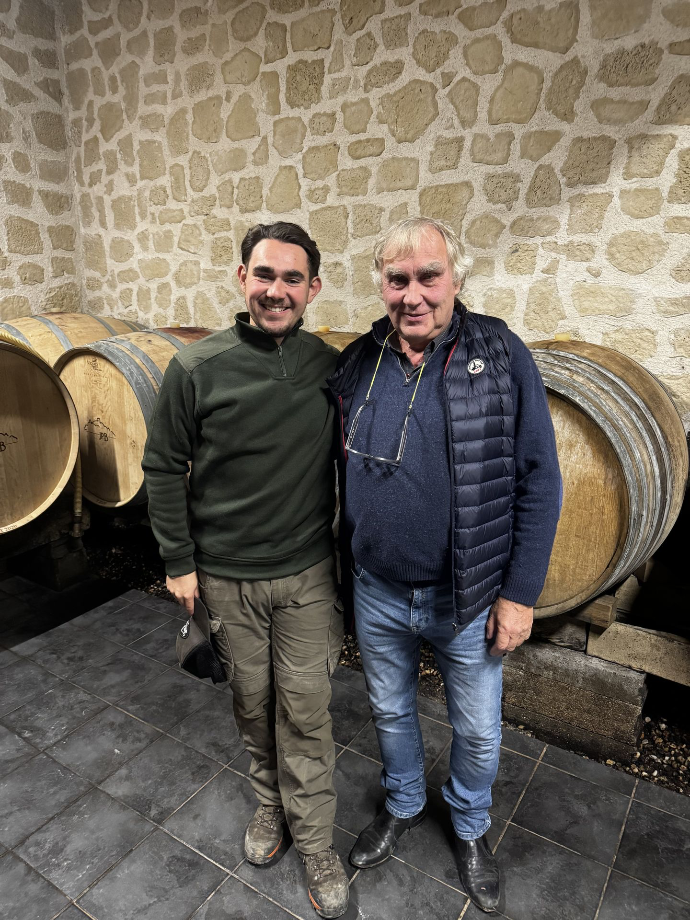
Pascal Cotat
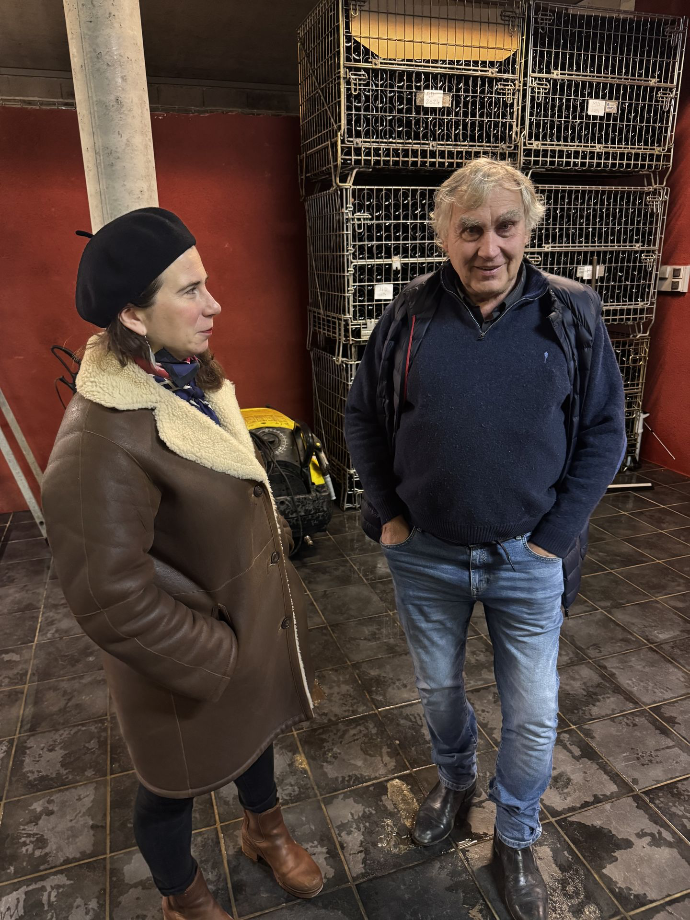
Winemaker Aymeric Fleuriet alongside Pascal
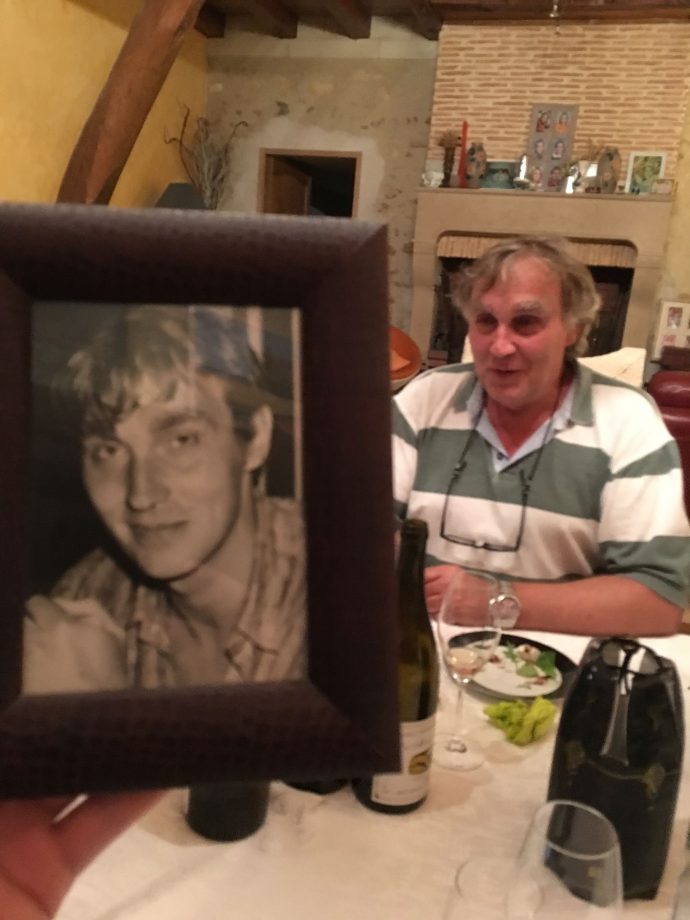
There are a lot of local legends surrounding the Cotat Family in Sancerre. Although legends usually have some truth to them, they have a tendency to get tangled with mystery. You can believe what you will. Two brothers Francis and Paul Cotat learned to make wine from the Ton Ton (uncle) after their father had been killed in the war. They never had a lot of land and they were regarded with a raised eyebrow from most of the other producers in the appellation. They liked to let the wine make itself. They aged them in old sherry barrels that were a million years old and they let the sugars just do their thing. What does that mean? In ripe vintages when the grapes naturally have higher sugar levels, sometimes the yeast that transform the sugars into alcohol reach a point beyond which they can no longer function so there remains some natural sugar in the wine. The ‘classic’ Sancerre growers didn't like this. They wanted more contrôle in their wines. More dominance of the grower over the natural process. So you make choices, pick earlier with less natural sugar in the grapes but sometimes before full maturity. Or you add selected yeast that can do the work of fermentation in adverse conditions. The storm troopers of vinification. They all look the same and they are there to do the dirty work that no one else wants to do. In vintages where Sauvignon Blanc struggled to attain full maturity, the Cotat wines would be bone dry. This vintage variation- although commercially challenging is intrinsic to authentic, artisanal wines- also displeased the other producers.
Consumers in the know, gravitated towards the Cotat wines because of their uniqueness.
Francis and Paul each had a son - Pascal and Francois - who for reasons I have yet to understand never really got along and hardly spoke to each other. When they came of age to take over from their respective fathers, they split the estate and each one went his own way. But they each continued making wine the way their fathers had taught them.
The Cotat wines have always been technically Sancerre which means they grow on appellation controlée soil that is Sancerre, and they are made with Sauvignon Blanc. But in their soul, the Cotat wines were always rebellious. Conformity was not in their genes. Pascal was a bad boy. Flashy. Body parts specialist for cars. He had a garage and loved big American cars. As much as he loved the actual wine making process and spending time in his cellar (which was directly below his garage) he preferred to delegate viticulture to a friend. In the past 12 years that person was Benoit Fleuriet. After some health problems and without an heir, Pascal sold his wine to Benoit’s son Aymeric. 2024 is Aymric’s first vintage.
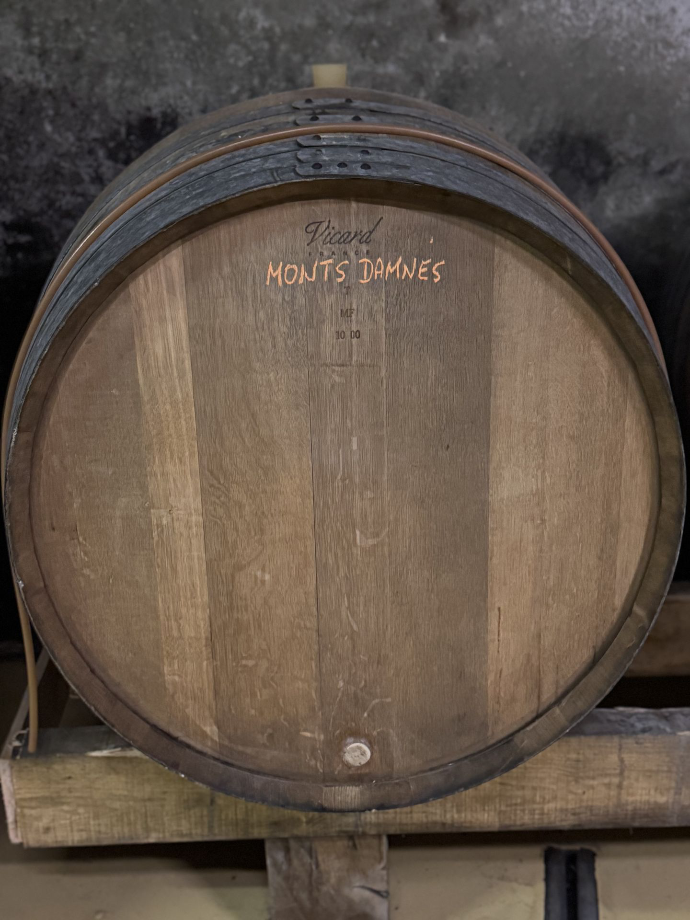
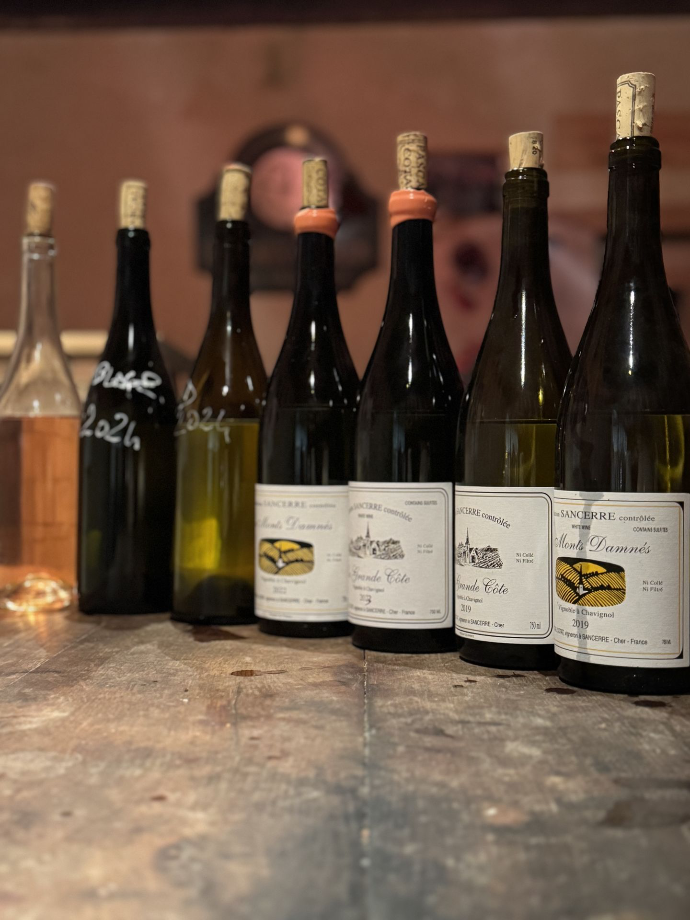
Sublime has worked with the Pascal Cotat for 25 years. Historically they were highly allocated. But because of the recent changes, some wine was made available for Luxembourg. All three wines are made from very old vines on steep slopes. The Grand Cote and Mont Damnés are from the village of Chavignol a satellite of Sancerre known for its Kimmeridgien soils (Chablis like chalk). 2024 vintage is completely dry and vibrant, in line with traditional idea most people have of Sancerre with the added texture and complexity Cotat is known for. These wines are timeless, as if they had discovered a fountain of youth. Tasting older vintages in the cellar with the Cotats, the wines taste 10 years younger than they actually are. That in itself just reinforces the mystery surrounding the legends of the Cotat wines.
The whites scream for a warm goat cheese salad. It may sound cliché but do not underestimate the pleasure to be had in historical local pairings. Asparagus - white and green - also work well. A big salad with feta. Paté. Something for the acidity of Sauvignon Blanc to cut through. Dont get me wrong, acidity does not dominate these, but gives a bracing backbone from which all the textured layers of aromas can flow.